

Kilimanjaro Kids´Superfood Garden
The school garden at Mnini Secondary School is being built
Sustainable irrigation - Rainwater Harvesting
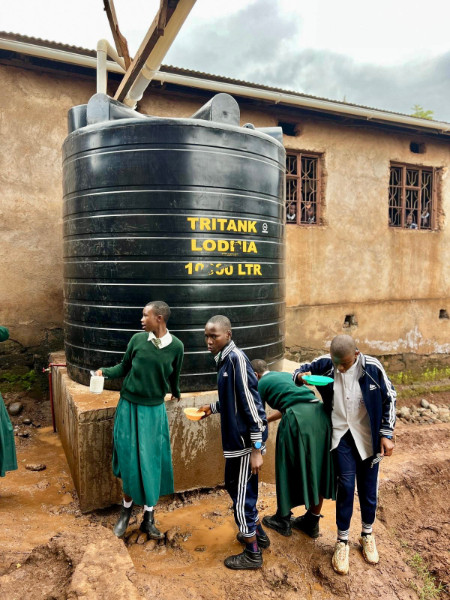
In Tanzania, rainy and dry seasons alternate. In order to ensure a continuous water supply for the amaranth, even in the dry season, it is essential to store water.
Roof gutters and water storage tanks are rather unusual in rural Tanzania. Our association has therefore installed gutters on the Mnini Secondary School building and had a large water tank installed in which rainwater can be collected and used for drip irrigation
Before you can start preparing the soil, the pipes for drip irrigation need to be laid. Hoses with small holes at regular intervals can later be used to direct the water to the root area of the plants.
In contrast to conventional irrigation, for example with water sprinklers, this method saves around 75 percent water and is therefore particularly effective and sustainable.
Good preparation guarantees success
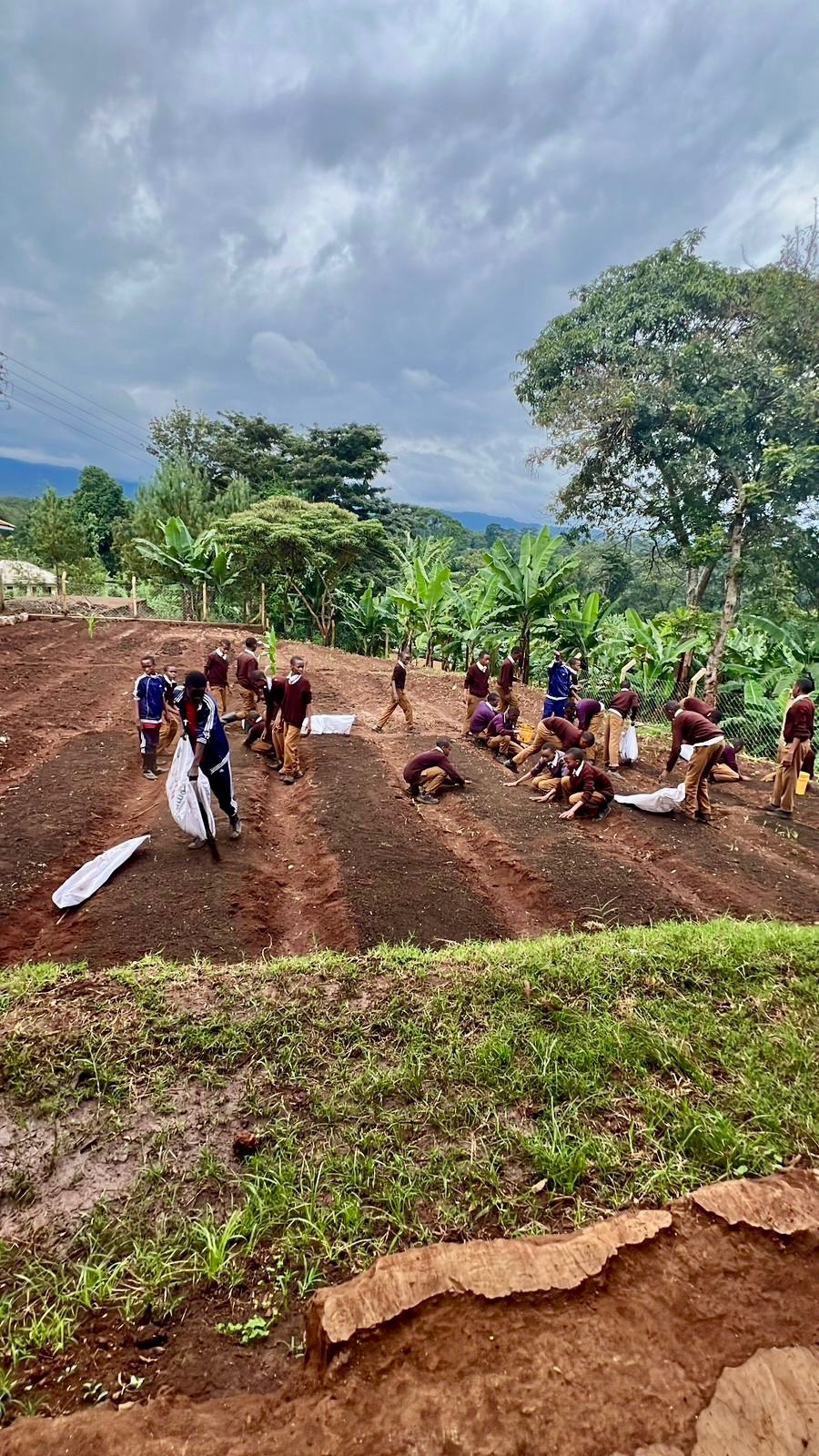
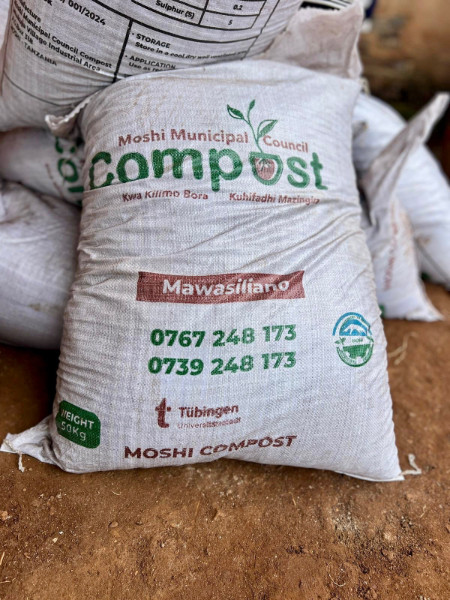
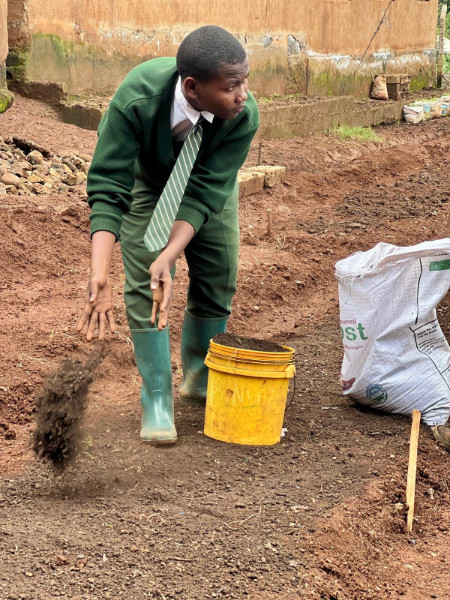
Compost is an excellent way to improve soil quality. The pupils spread the compost and worked it into the soil.
Mulching is another building block for a successful harvest. This involves applying rotted organic material, such as leaves, to the soil after germination. Mulching reduces water evaporation and inhibits the growth of unwanted weeds, for example.
Mulching also improves soil quality in the long term.
Exchange of experience
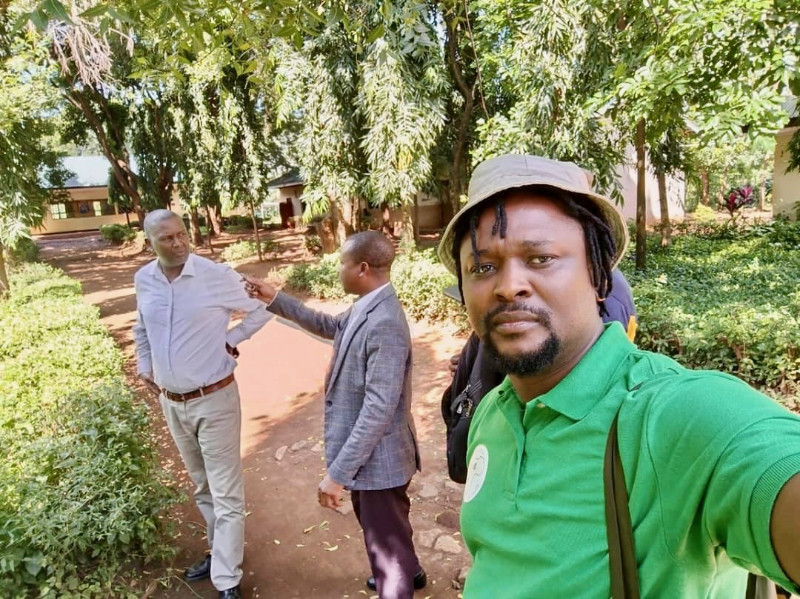
Being able to draw on experience increases the chances of the school garden's success.
Mwereni Primary School in Moshi City has already established a school garden and has been able to gain experience in organic gardening for many years.
Our association members in Tanzania have arranged a meeting between the principal of Mwereni Primary School and Mnini Secondary School to exchange experiences.